

Recreation + Play Counseling
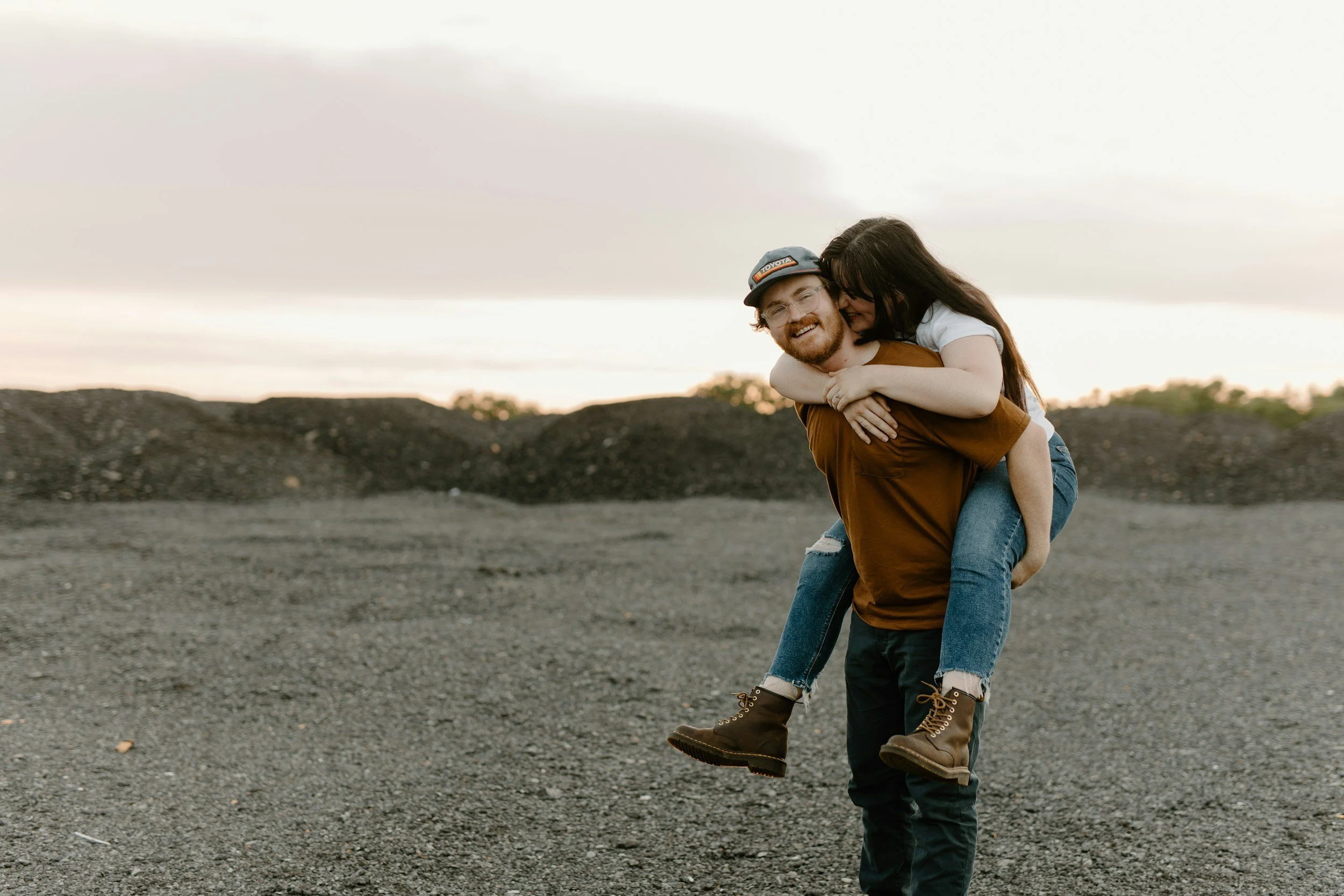
couples who play together, stay together
Couples who play together stay together.
Studies show that couples who engage in play and humor are more strongly bonded.
What is recreational therapy?
Recreational therapy is counseling through activities or play and learning more about yourself and your partner in the process. When we are having fun and engaged in play, we often let our guards down. We become relaxed and in the moment, letting our personality and behaviors shine through. We don’t get stuck in our thought processes as much.
How does this affect counseling?
In a therapy room we might filter our behaviors or responses. That is a lot harder to do when we are in the present moment and engaged in an activity. It gives a therapist a window into your inner thoughts and world. We are able to, in real time, call out behaviors and process what’s behind them together. This ultimately helps the couple understand each other better. Another added benefit, is when we are relaxed and in the present moment, our brain is more receptive to change.
How is this helpful for couples?
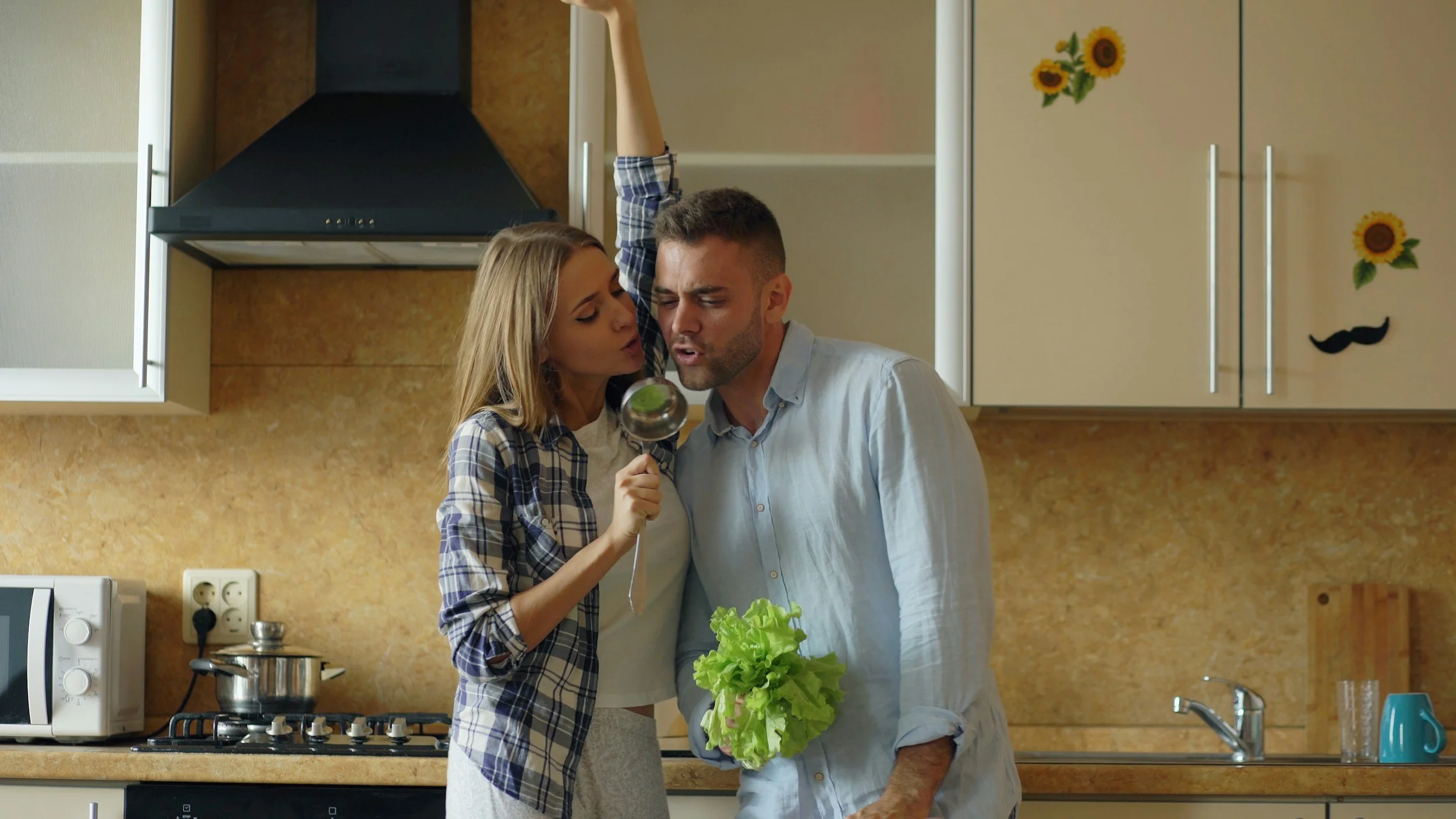
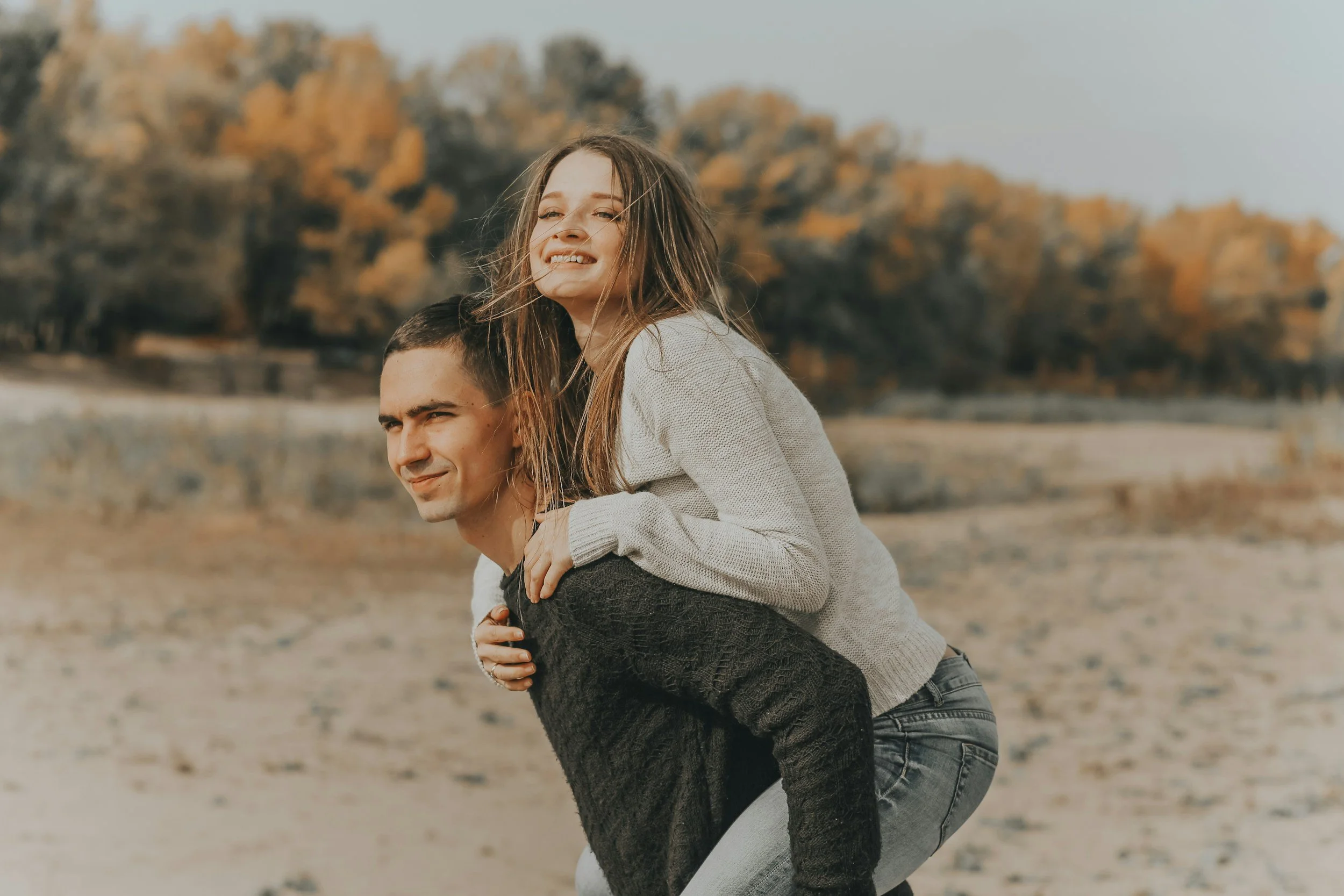
Play allows us to engage our brain in a different way which then gives us a different experience and opportunity to relate to our partner. Engaging in play also promotes different skills such as teamwork, problem solving, and communication in real time. It teaches couples how to work together towards a common goal, and adjusting view points from “me” to “we”.
What are the benefits?
Is
Improved communication
Aligns partners
Increases problem solving skills
Increases critical thinking skills
Creates positive interactions
Interrupts negative cycles
Creates novelty + shared experiences
Helps to regulate stress
Improved connection + intimacy
Play Heals
-
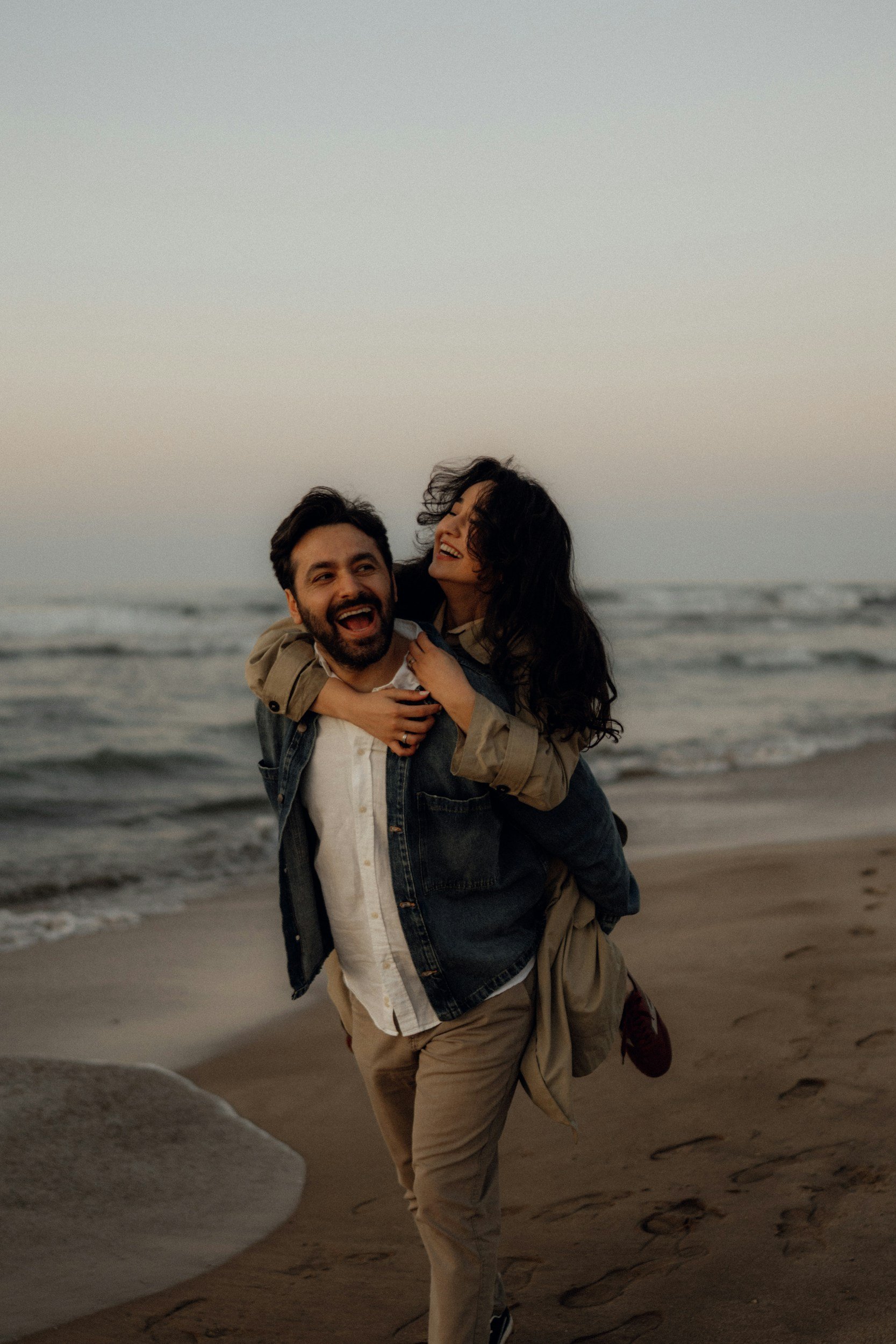
In a study they found that self-esteem is a predictor of playfulness where an individual is self-assured and feels at ease. In this space, they are more wiling to engage in playful behavior without feeling judged by another. Playfulness is also also positively associated with positive emotions in the relationship, engaging the partner in continuing playful behaviors, forming a circular feedback loop in the relationship. These interactions are viewed by partners as positive and having enhanced feelings of closeness and intimacy.
-
Studies have shown a strong relationship between couple play and factors that predict a successful long-term couple relationship. They also found that couple play predicted measures including relationship satisfaction, communication, conflict resolution, and the couple’s view of the relationship.
-
Studies found a correlation between couples who reported doing more exciting, novel activities together and higher relationship satisfaction. When tested in a lab, couples who were given an exciting task measured an increase in the quality of their relationship.
What recreation + play in therapy looks like
In sessions, I bring play in when clients need help understanding a concept, each other, or themselves from a different point of view. Every couple is unique and may need different techniques or interventions to help them along their healing journey.
In addition to play in sessions, I’ve also built out events aimed at promoting communication, problem solving, and connection for couples. Events are open to anyone who may want to attend!

How I’ve infused play into connection
Had partners do a word search in session to find feeling words and tell a story about when they felt that feeling
Gave clients the task of positioning themselves and their partner into “statues” to exhibit how they perceive their relationship dynamic.
Built an immersive scavenger hunt in two different communities where couples had to work together to solve clues to find “date night spots” around their city
Partnered with a dance studio to develop a communication workshop where couples played games aimed at testing their communication skills while also learning the basics of ballroom dancing and nonverbal communication to execute the dance moves perfectly
How play is used in sessions
-
Word searches with “feeling” words is a great tool for the clients that are having difficulty connecting to theirs and their partner’s emotions. When clients find a feelings word they must tell a story around when they felt that feeling and the impact it had on them. Clients are led through a healthy and connected conversation.
-
Especially helpful for when clients are finding it difficult to see their part in the couples dynamic. The couple is instructed to take turns positioning each other into '“statues” to depict their experience in the couple dynamic.
-
Studies have show that couples report higher relationship satisfaction when engaging in new activities together. Couples are instructed to find a brand new activity for a date night and schedule it.
-
When taking deep breaths doesn’t cut it, we can use psychology to trick the brain with these silly interventions. One example for breaking a pattern of arguments or conflict is to incorporate a “silly” technique such as wearing birthday hats during an argument. The symbolism of a birthday hat doesn’t match up with the heavy emotions of an argument therefore making it difficult for the brain to focus on the argument.
-
Illustrated cards are used to construct a story about what a person sees in the card. Clients are led through structured questions about their experiences and thought processes for what they uniquely see in the cards, offering their partner a view into how they think and perceive the world around them.
-
Games can be used either in therapy or as homework outside of therapy. Co-operative board games or video games are a great way to facilitate communication, team work and problem solving.
Why recreation + play?
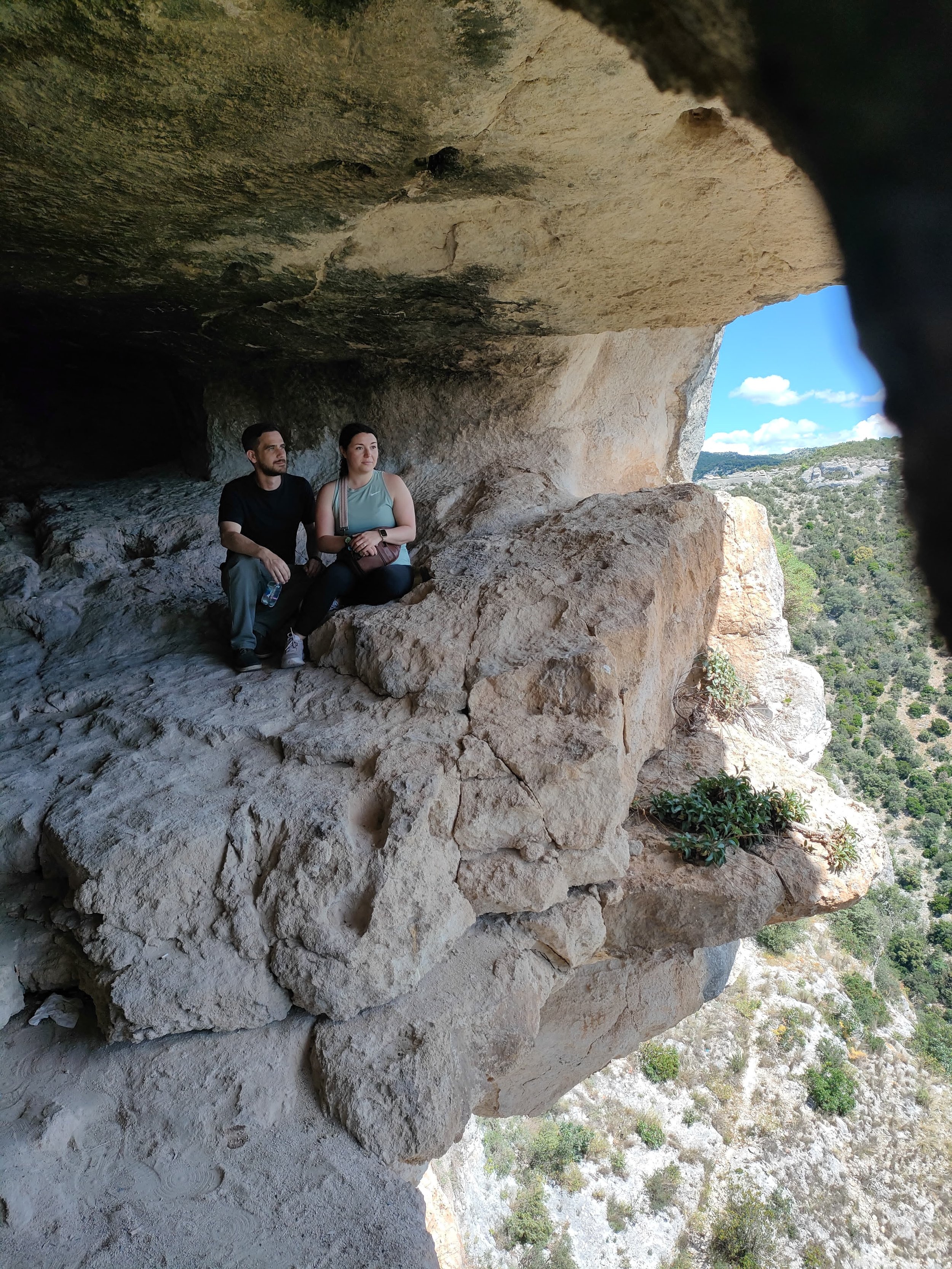
I minored in Recreational Leadership in college, which was “counseling through activities”. With most of my difficult classes finished in my junior year, my senior year was spent doing ballroom dancing, pilates, sea kayaking, playing lacrosse, and literally basketweaving (all legitimate classes for credits)! We played games and learned how to facilitate discussions after. We learned how to implement activities for everyone regardless of ability. But what I remember most of all was how connected I felt to my classmates through these classes. Due to the nature of the classes, we were “playing” together constantly. We played against each and with each other, building communication, teamwork, problem solving skills constantly.
The days that stick in my mind the most were the days we went sea kayaking off the coast of Maine and when we completed an outdoor ropes course in the woods. I was terrified both days, doubting my abilities. Every time I doubted myself, one of my classmates was there to cheer me on and encourage me.
The philosophy I took from this was that being uncomfortable and challenged leads to growth and that being engaged in play promotes a “team” mentality. Both of these concepts seemed beneficial to my clients in couples therapy. Engaging with one another in a different way, having a challenge, building teamwork are all things that make us feel closer and spice things up in a relationship.
What’s Possible When You Play
“Play is the mediator of the invisible and visible”
~Dora M. Kalff
Clients often find that after engaging in play they:
~ Feel more connected
~Have more self-confidence
~Have more confidence in the relationship
~Feel lighter
~Feel more attracted to each other + more likely to engage in intimacy
~Feel less stressed
~Feel more positiive
~Communicate better
Rediscover the fun of just being together.
Play together.